This guide is for homeowners planning garage storage around an existing sectional door. It covers what to measure, how far a cabinet body and its open doors might reach, and which wall positions are worth testing in a single-car bay that still has to hold a parked car. See also: pantry cabinets that work for weekly groceries, holiday overflow, and kids' snacks.
Contents
- What space does a sectional garage door and its rails actually sweep through?
- How far can a garage cabinet or its open door encroach before it blocks something?
- Which wall positions stay usable in a single-car bay shared with a parked car?
- What cabinet and door specifications decide whether a position works?
- What should an installer measure and hand off before ordering cabinets?
Key takeaways
- Treat the door as moving equipment rather than a flat wall.
- There is no approved clearance figure to quote here, so build the answer from your own mock-up.
- Park the car exactly where it will normally sit, with mirrors and any roof rack in place.
- Ask the cabinet supplier for exact figures rather than category labels: overall depth including handles, door swing radius or drawer extension, carcass height, and how the unit is fixed to the wall.
- Insist on a written record, not a verbal assurance.
The approved evidence available for this article does not include door-track geometry or clearance figures, so no dimension here is presented as a standard. Take your numbers from your own door, your own vehicle, and your installer’s measurements. What follows is a measurement method, not a specification.
- Map the door panel’s travel and the rails before choosing any wall for storage.
- Check the cabinet with its doors open and drawers pulled out, not just the closed box.
- In a shared single-car bay, test the parking position and the walking path together.
- Write down measured clearances and hand them to the cabinet supplier before ordering.
What space does a sectional garage door and its rails actually sweep through?
Treat the door as moving equipment rather than a flat wall. With the door closed, note where the panels sit. Then have someone cycle the door slowly while you watch from a safe distance and mark, on the floor and walls, the outermost points the panels and hardware reach at any moment of travel. Include the horizontal rails, their brackets, and any opener rail or motor head in that map.
What space does a sectional garage door and its rails actually sweep through.
Do this with the door fully open, fully closed, and stopped partway. A spot that looks free when the door is up may sit inside the swept path when the door is coming down. Photograph each stage and label the photos; they become part of the record you hand off later.
If your door behaves differently from this description, with different panel joints, different rail routing, or unusual hardware, ask the door installer to walk you through its actual travel path instead of assuming the general method covers it.
How far can a garage cabinet or its open door encroach before it blocks something?
There is no approved clearance figure to quote here, so build the answer from your own mock-up. Stand a cardboard box or taped outline at the candidate depth and height, then run the door through a full cycle. Watch for contact and near misses at every stage of travel.
Repeat the test with the cabinet’s working envelope, not its footprint:
- Swing every door to its full open position and mark the arc on the floor.
- Pull each drawer to its stop and mark how far it reaches into the bay.
- Stand at the cabinet as if loading it, and check whether you are still clear of the door’s path and the car.
A position passes only if the door cycles freely, the cabinet opens fully, and a person can stand and work there. If any one of those fails, reduce the depth, shift the position, or choose a different opening style before ordering.
Which wall positions stay usable in a single-car bay shared with a parked car?
Park the car exactly where it will normally sit, with mirrors and any roof rack in place. Chalk its outline. Now walk the remaining walls and ask three questions of each candidate spot: does the cabinet stay outside the door’s swept path, does an open door or drawer stay clear of the car, and can you still get in and out of the vehicle and reach the house door?
Test the awkward moments too. Open the driver’s door fully. Carry a bulky item from the car to the cabinet. Have a second person pass behind you. A layout that works when everything is closed can fail during ordinary use, and the chalk outline makes those failures visible before anything is bought.
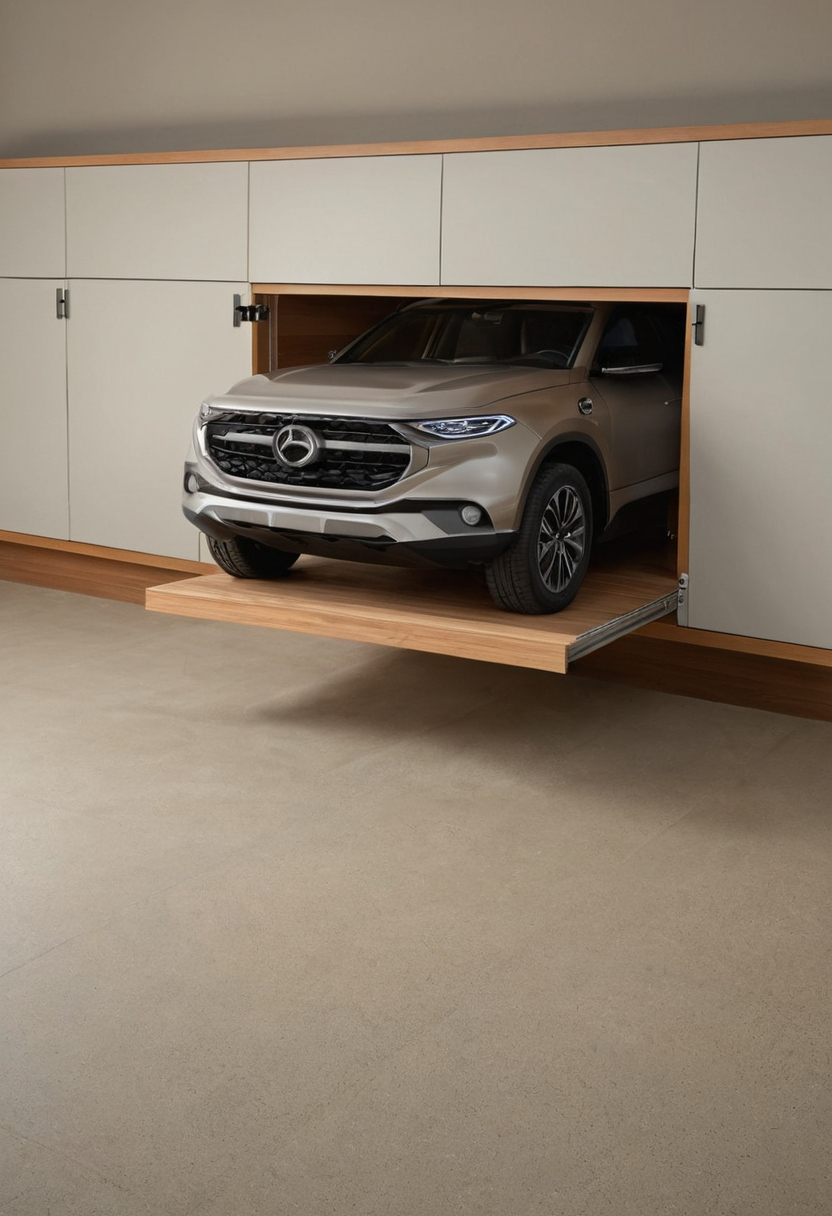
Which wall positions stay usable in a single-car bay shared with a parked car.
If two people share the bay, run the test with both routines. For thinking through shared-use storage in other parts of the home, see our guides to pantry cabinets that work for weekly groceries, holiday overflow, and kids’ snacks, shoe storage layouts that fit the most pairs without narrowing the walkway, and closet organization that survives shared mornings, laundry days, and changing seasons. The same discipline applies: measure the walkway and the open-door reach, not just the shelf count.
What cabinet and door specifications decide whether a position works?
Ask the cabinet supplier for exact figures rather than category labels: overall depth including handles, door swing radius or drawer extension, carcass height, and how the unit is fixed to the wall. Ask the garage door installer for the swept envelope of the panels, rails, and opener at every stage of travel. Compare the two sets of numbers on your marked-up floor plan before committing.
Materials deserve their own questions. According to the U.S. Environmental Protection Agency’s guidance on volatile organic compounds and indoor air quality, paints, varnishes, waxes, cleaning products, building materials, and furnishings are common indoor sources of these compounds, and the agency recommends increasing ventilation when using products that emit them indoors. Ask your supplier which finishes and adhesives the cabinets use, and plan ventilation for the installation period and for any refinishing you do later.
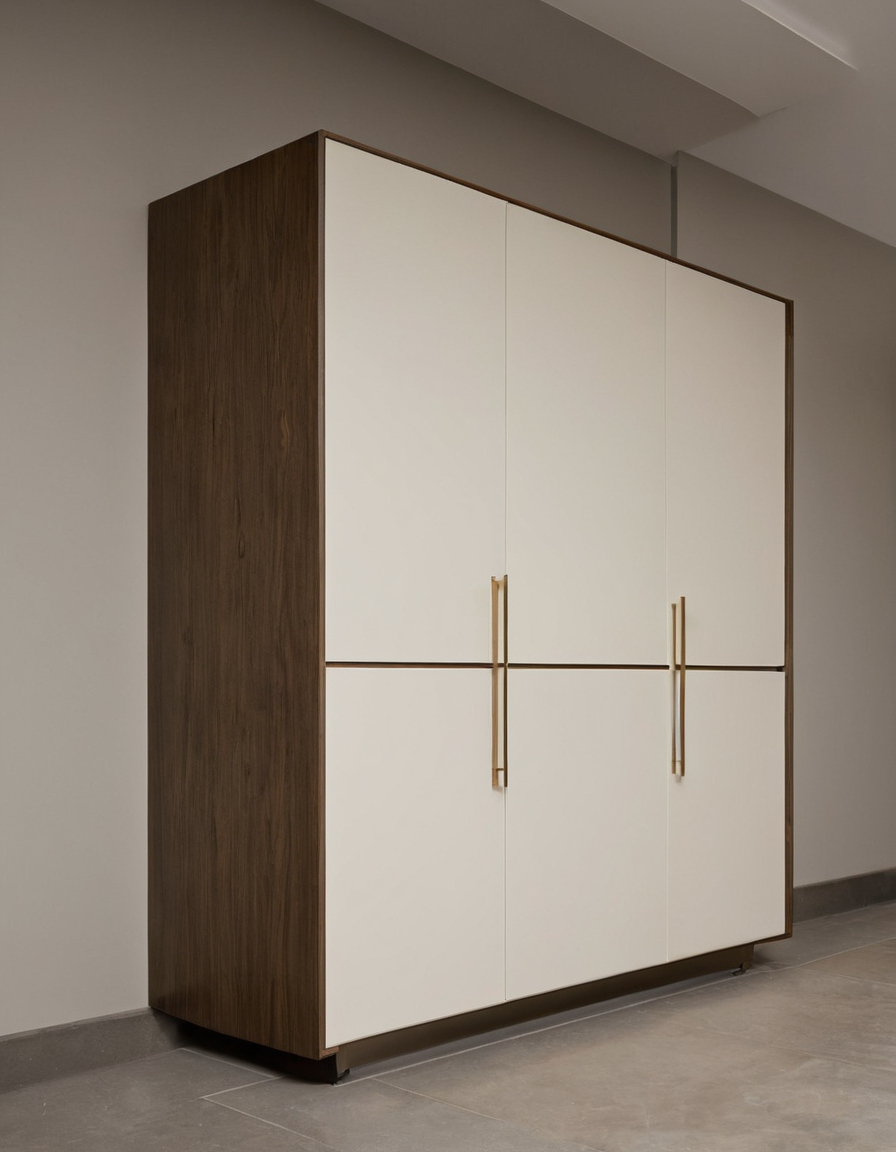
What cabinet and door specifications decide whether a position works.
Moisture is the other material question. The U.S. Environmental Protection Agency’s guide to mold, moisture, and your home states that condensation and wet or damp spots should be fixed promptly to prevent mold growth, and it points to reducing indoor humidity. If the wall you have chosen shows damp patches or condensation, resolve that before installing cabinets against it, and ask the supplier how the unit’s back panel and base handle a wall that may see moisture.
What should an installer measure and hand off before ordering cabinets?
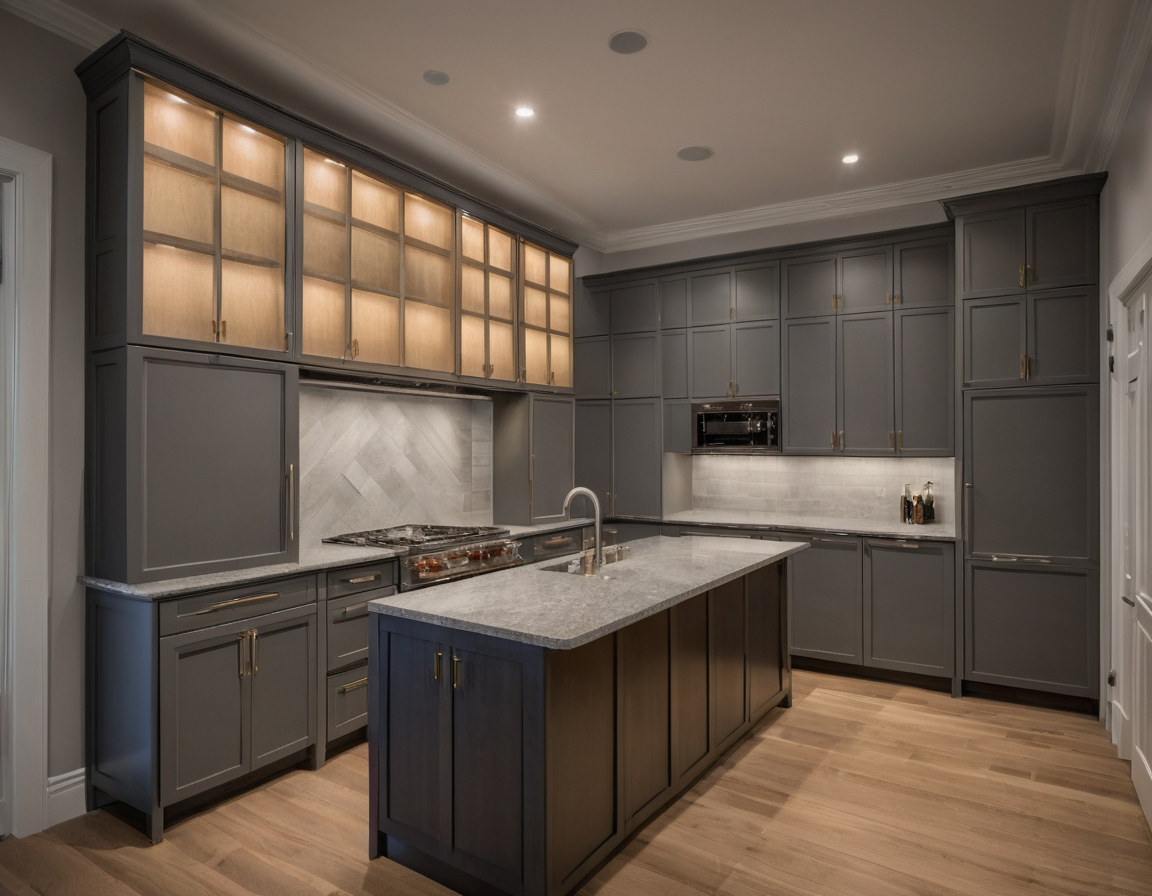
Insist on a written record, not a verbal assurance. Before any order is placed, the installer should hand over:
What should an installer measure and hand off before ordering cabinets.
- A dimensioned floor plan showing the parked car outline, the walking path, and each proposed cabinet position.
- The door’s swept envelope recorded at closed, partway, and fully open positions, with photos.
- Each cabinet’s depth, height, door swing, and drawer extension, checked against that envelope.
- Wall condition notes, including any damp or condensation observed, and fixing details for the chosen wall.
- A signed confirmation that the door was cycled with the mock-up in place and cleared it.
Keep that file with the order. If a delivered unit differs from the specified dimensions, you have the measurements to point to. If the door is later adjusted or replaced, re-run the cycle test before assuming the old clearance still holds.
Frequently asked questions
Can I use a published clearance number instead of measuring? No approved clearance figure is available for this article, and door and cabinet designs vary. Measure your own installation and have the installer confirm it with a full door cycle.
Is a shallow cabinet always safe near the door? Not necessarily. Depth alone does not account for handles, open doors, or extended drawers. Test the full working envelope against the door’s travel at every stage.
What if the only free wall is damp? Address the moisture first. The U.S. Environmental Protection Agency advises fixing wet or damp spots promptly to prevent mold growth. Then ask the cabinet supplier how the unit suits that wall.
Do new cabinets affect garage air quality? The U.S. Environmental Protection Agency lists building materials and furnishings among common indoor sources of volatile organic compounds and recommends increased ventilation when using products that emit them. Ask about finishes and ventilate during installation.
For more on this topic, see other guides on this site.