
Your home serves as the foundation for Jewish life—a place where ritual meets daily living, where kitchen design supports kashrut observance, and where every room can facilitate Shabbat and holiday celebration. This platform provides practical guidance for designing spaces that honor tradition while meeting modern functional needs.
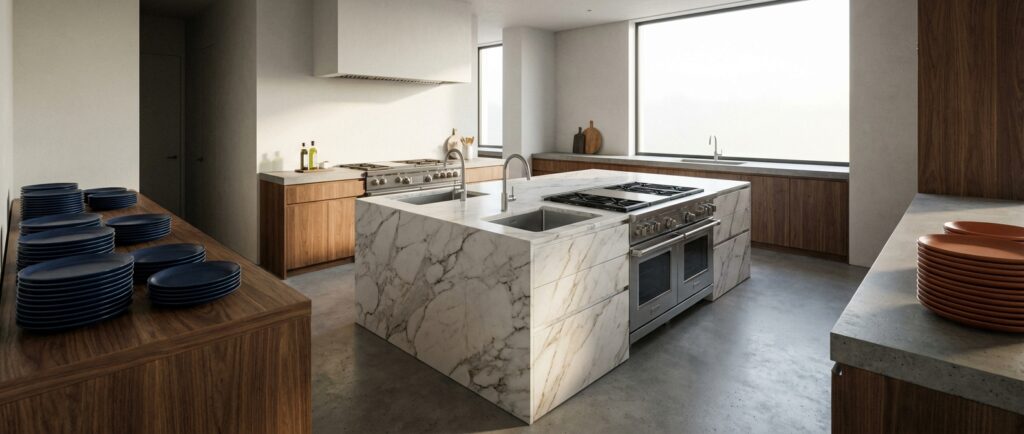
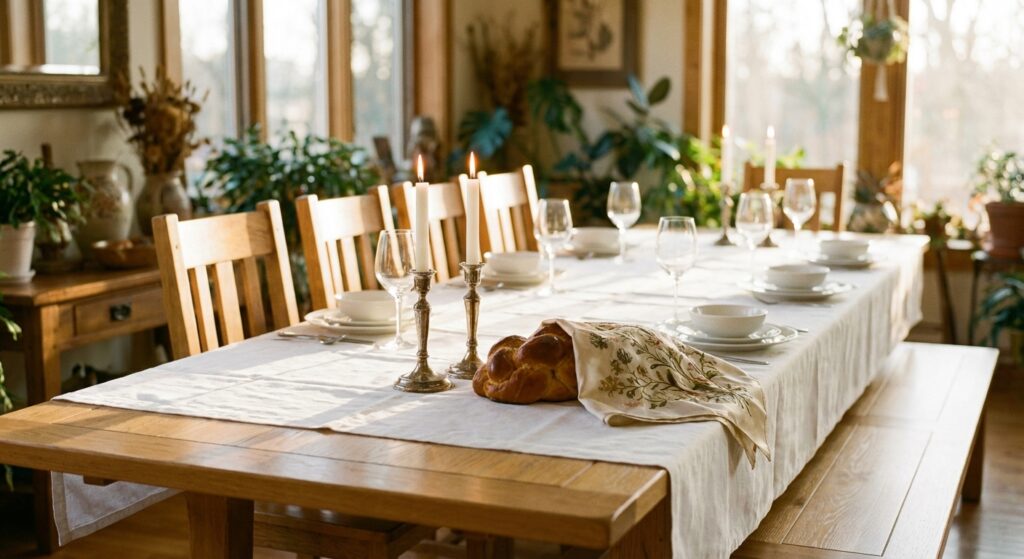
Kosher Kitchen Design: Function Meets Observance
A well-planned kosher kitchen eliminates friction from daily observance. The core requirement involves complete separation of meat and dairy, which demands thoughtful infrastructure planning rather than simple behavioral rules.
Essential Dual-System Requirements
| Component | Meat System | Dairy System | Minimum Spacing |
|---|---|---|---|
| Sinks | Dedicated basin with faucet | Separate basin with faucet | 18 inches minimum |
| Dishwashers | Full-size or drawer unit | Independent unit | N/A (separate appliances) |
| Storage | Designated cabinets/shelves | Distinct cabinets/shelves | 12 inches or physical divider |
| Prep Surfaces | Dedicated counter section | Separate counter section | 6 inches or raised barrier |
Color-coding systems reduce accidental mixing. Many families designate red for meat utensils and blue for dairy, though individual preferences vary. Visual markers work better than memory alone, particularly in households where multiple people cook.
Spatial Configurations That Work
Galley kitchens can accommodate kosher requirements by assigning one wall to meat preparation and the other to dairy. L-shaped layouts separate functions around the corner break. Island configurations place one system on the perimeter and the other on the island, creating natural workflow separation.
The Orthodox Union Kosher Division provides detailed certification standards that inform kitchen design choices. Their guidelines address everything from material porosity to heat transfer between adjacent surfaces.
Practical Material Selections
Stainless steel sinks are easier to kasher than composite materials. Granite and quartz countertops resist staining and withstand boiling water for Passover preparation. Separate cutting boards—stored in clearly labeled locations—prevent cross-contamination better than relying on washing protocols alone.

Cabinet organization benefits from drawer dividers and shelf risers that create dedicated zones for each dish category. Transparent storage containers let you verify contents without opening multiple packages during meal preparation.
Shabbat-Ready Home Design
Preparing spaces for Shabbat involves reducing friction in the weekly transition from workday to rest mode. Physical infrastructure can support this shift rather than creating obstacles.
Lighting Systems for Shabbat Compliance
- Programmable timers: Control lights, lamps, and certain appliances on preset schedules, eliminating the need for manual switching after candle lighting
- Shabbat-mode appliances: Ovens and refrigerators that disable automatic lights and maintain consistent temperatures without user intervention meet observance needs documented by Star-K Kosher Certification
- Hot water urns: Pre-filled units maintain temperature throughout Shabbat for tea and instant coffee without violating cooking prohibitions
- Blech or hot plate: Covers existing burners to create a continuous heat source for warming pre-cooked food
Table Setup and Dining Arrangements
Families hosting Shabbat meals benefit from dining tables that extend to accommodate guests. A table seating 6-8 people during weekdays should expand to 10-12 for Friday night dinners. Storage for extra chairs, tablecloths, and serving pieces needs a dedicated space within easy reach of the dining area.
Sideboards or buffets provide landing space for multiple courses during meals that span several hours. Lower cabinets can store Shabbat-specific items, such as challah covers, kiddush cups, candlesticks, and ritual hand-washing cups that come out weekly.
Bedroom Considerations
Shabbat clocks replace alarm clocks that require button pressing. Battery-operated or preset mechanical options align with observance practices. Blackout curtains support the transition to rest by blocking streetlights in urban environments where Shabbat ends well after dark during the inter months.
Holiday Preparation Infrastructure
Jewish holidays demand different spatial accommodations than weekly Shabbat observance. Sukkahs, seder tables, and Chanukah candle displays each require planning.
Passover Kitchen Transitions
Families who avoid chametz (leavened products) during Passover need storage for year-round dishes and accessible space for Passover-specific items. A basement, garage, or large pantry serves this function. Covering counters and stovetops with heavy-duty aluminum or specialized liners creates kosher-for-Passover surfaces without permanent kitchen modifications.
The Chabad Passover Guide details cleaning and preparation standards that inform storage and organization decisions.

Sukkah Space Planning
Building codes in many municipalities address temporary structures, such as sukkahs. Decks, patios, or yard areas must have a minimum dimension of 7 feet by 7 feet to meet halachic requirements. Southern exposures reduce weather-related complications during the fall holiday period.
Chanukah Display Areas
Windows facing public streets fulfill the mitzvah of publicizing the miracle. Built-in window seats or deep sills accommodate menorahs safely. Electrical outlets near windows support electric menorahs for families concerned about open flames.
Community-Tested Solutions
The Dual-Island Kitchen (Rachel, Teaneck, NJ)
A family of six renovated their 1970s kitchen to include two islands—one exclusively for meat preparation, one for dairy. Each island houses its own sink and prep surfaces. Wall cabinets above each island store corresponding dishes and utensils. The configuration cost an additional $8,000 over a single-island design but eliminated years of potential mixing errors.
The Convertible Dining Room (David and Sarah, Los Angeles)
Installing a wall-mounted folding table system allowed this couple to expand their dining capacity from 8 to 16 people for Shabbat and holiday meals. The Murphy-style table drops down from a custom cabinet that stores folding chairs and extra table leaves. Setup takes 10 minutes instead of the previous hour spent rearranging furniture.
Shabbat Prep Station (Miriam, Brooklyn)
A repurposed armoire in the kitchen holds all Shabbat-specific items: candlesticks, wine, challah board, hand-washing cup, and tablecloths. Pre-labeled shelves mean teenage children can set the table independently. This single piece of furniture reduced Friday afternoon preparation time by 20 minutes.
Product Categories for Jewish Home Living
Kitchen Essentials
- Separate dish sets (service for 12 minimum for families hosting regularly)
- Color-coded utensil sets with designated storage blocks
- Kosher timers and Shabbat-mode appliances certified by recognized authorities
- Passover storage containers clearly labeled and sized for standard cabinet shelves
Dining and Hospitality
- Extendable dining tables with leaf storage
- Stackable or folding guest chairs (minimum 4 extra seats recommended)
- Multiple tablecloth sets for rotation during multi-day holidays
- Serving pieces that transition between meat and dairy meals
Ritual Objects
- Candlesticks meeting minimum height requirements (4 inches) for safe candle burning
- Kiddush cups in sizes appropriate for required wine volumes (3.3 fluid ounces minimum according to most opinions)
- Mezuzot for doorways, with verification from qualified scribes documented by organizations like Vaad Mishmeres Stam
- Chanukah menorahs designed for window placement with stable bases
Seasonal Preparation Guides
High Holiday Season (Rosh Hashanah through Sukkot)
This concentrated period spans three weeks and includes two major holidays, a fast day, and Sukkot. Meal planning requires purchasing holiday foods while maintaining regular weekly Shabbat preparations. Freezer organization becomes critical—dedicating shelf space to pre-cooked holiday dishes prevents last-minute cooking stress.
Sukkah decorations stored in labeled bins (sorted by year purchased or theme) simplify setup. Rain contingency plans for sukkahs in wet climates might include clear tarp systems that don’t invalidate the structure’s kosher status.
Passover Preparation Timeline
Starting 30 days before the holiday aligns with traditional practice and reduces overwhelm. Week 1 focuses on inventory and planning. Week 2 addresses purchasing Passover-specific items. Week 3 begins kitchen cleaning and chametz removal. The final week before Passover involves cooking, further cleaning, and final preparations.
OU Kosher’s Passover resources provide updated product lists and preparation guides each year, accounting for changing certifications and new products.
Winter Holiday Preparations
Chanukah’s eight nights require oil or candle supplies for the entire household. Bulk purchasing costs less and ensures supply continuity. Families lighting multiple menorahs (one per family member, following certain customs) need a designated display space and sufficient lighting materials.
Building Community Through Shared Spaces
Jewish home design ultimately serves connection—between family members, between households, and across generations. Hospitality functions as a core practice, meaning homes benefit from infrastructure that supports regular guests.
Entryway organization (coat hooks, shoe storage, bag hooks) accommodates visitors arriving for Shabbat meals. Powder rooms near main living areas reduce disruption during multi-hour gatherings. Kid-friendly spaces with accessible books or games let families with children participate fully in community meals.
Subscribe for Seasonal Design Tips
Receive monthly guidance on preparing your home for upcoming holidays, seasonal kitchen organization strategies, and community-tested solutions for common Jewish home design challenges. Our newsletter provides practical advice timed to annual rhythms—Passover preparation starts in winter issues, Sukkot planning arrives in summer, and High Holiday hosting ideas come each late summer.
Email subscribers get early access to detailed preparation checklists, room-by-room organization guides, and product recommendations from families who’ve tested them through years of use. Sign up to join a community designing homes that support meaningful Jewish living.